
INTRO
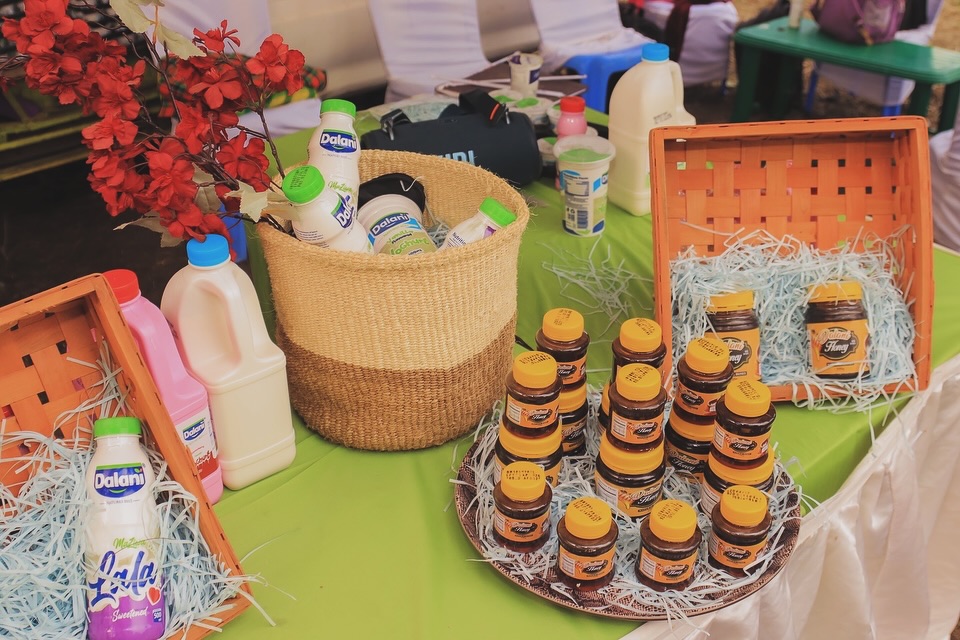
Raw honey has remained relevant across generations because it sits at the intersection of taste, tradition, and everyday utility. People value it as a flavorful ingredient, a pantry staple, and a natural sweetener that can be used in both simple and creative recipes. Its appeal comes partly from minimal processing and partly from its complex profile of naturally occurring compounds that contribute to aroma, color, and texture. At the same time, responsible education matters. Honey can be part of a balanced diet, but it is still a source of free sugars and should be consumed thoughtfully. Good guidance helps consumers enjoy honey for what it is without exaggeration or misinformation. This includes practical serving awareness, safe usage for different age groups, and confidence in quality-assured sourcing and packaging. For producers like Dalani, quality honey is not only about harvesting; it is about handling integrity from source to shelf. Clean collection, careful storage, hygienic packing, and transparent standards help preserve authenticity and protect consumer trust. When quality systems are strong, honey can be positioned as both a premium food ingredient and a reliable household staple.
KEY TAKEAWAYS
- Raw honey is best viewed as a high-quality ingredient rather than a cure-all product. This framing supports realistic consumer expectations and helps maintain trust in food communication.
- Flavor profile varies by floral source, region, and season. These differences are a strength, not a defect, and can be used to guide pairing recommendations for meals and beverages.
- Honey can support recipe quality by adding depth and aroma in dressings, marinades, and dairy-based dishes. Used in moderation, it contributes both sweetness and character.
- Because honey contains free sugars, portion awareness is important for overall diet balance. Practical guidance should emphasize mindful usage instead of unrestricted daily intake.
- Safety messaging is essential: honey should never be given to infants under 12 months due to risk of infant botulism, while older children and adults can consume it safely from trusted sources.
- Authenticity and hygiene controls are critical for quality assurance. Consumers benefit when brands communicate handling standards and packaging integrity clearly and consistently.
- Storage conditions influence quality preservation. Keeping honey sealed, dry, and away from excessive heat helps maintain flavor and texture over time.
- Education drives better household use. People who understand where and how to use honey effectively are more likely to use it in balanced, value-adding ways.
- Clear consumer communication improves product trust. When brands explain storage, usage, and quality standards in plain language, households make better decisions and the perceived value of the product category increases over time.
- Consistency across batches and channels is a competitive advantage. Reliable quality at production, retail, and home-use levels reduces friction, improves repeat purchase behavior, and strengthens long-term reputation in crowded markets.
- Training and documentation are foundational to scale. Teams deliver stronger results when procedures are standardized, continuously reviewed, and reinforced through practical coaching instead of one-time instruction sessions.
- Feedback loops should be treated as strategic inputs. Product complaints, shelf observations, and customer questions can reveal hidden process gaps and create opportunities for meaningful quality improvements.
- Balanced nutrition messaging works best when practical. Consumers respond better to actionable guidance on portions, pairings, and frequency than to broad claims that do not translate into everyday decisions.
- Operational resilience is built through preparation, not reaction. Scenario planning for supply variability, demand shifts, and handling disruptions helps preserve quality commitments under pressure.
PRACTICAL TIPS
- Use honey as a finishing ingredient in yoghurt bowls, tea, and oatmeal instead of adding large amounts during cooking. This can improve flavor impact while supporting better portion control.
- Pair honey with nutrient-dense foods such as plain yoghurt, fruit, nuts, and whole grains. This creates more balanced snack and meal options than pairing sweetness with refined foods alone.
- Measure servings intentionally, especially in beverages and sauces where sweetness can accumulate quickly. Small routine adjustments can make long-term dietary balance easier to maintain.
- Store honey in airtight containers at room temperature, away from direct sunlight and moisture. Stable storage helps preserve aroma and prevents avoidable quality deterioration.
- If crystallization occurs, warm the container gently in lukewarm water rather than overheating. Mild temperature recovery can restore fluidity while protecting flavor characteristics.
- Never give honey to infants younger than one year. Keep this message clear on household guidance and product communication to support safe family usage.
- Buy from trusted producers that can explain sourcing and handling standards. Reliable quality assurance reduces risk and improves consistency in taste and texture.
- Use honey strategically in marinades and dressings where its flavor complexity adds value. This helps consumers enjoy quality over quantity in everyday cooking.
- Create short weekly review rituals for quality, service, and inventory signals. Frequent small corrections are often more effective than large delayed interventions and help teams build a culture of continuous improvement.
- Use simple checklists at key control points to reduce variability. Well-designed checklists support consistency, improve handovers between teams, and make compliance easier in fast-moving operational environments.
- Document recurring consumer questions and convert them into educational content. This improves customer experience while reducing support load and preventing repeated misunderstandings about product usage or storage.
- Align packaging, labeling, and distribution instructions so guidance remains consistent from production to point of sale. Clear alignment reduces avoidable quality issues caused by handling errors.
- Where possible, combine data review with practical floor observations. Numbers show trends, but direct observation often reveals the root causes that dashboards alone can miss.
- Set improvement priorities quarterly and tie them to measurable outcomes. Structured prioritization prevents initiative overload and keeps teams focused on actions that produce visible results.
CONCLUSION
Raw honey deserves both appreciation and perspective. It is a versatile, flavorful ingredient with strong culinary value, and it can fit well within balanced eating patterns when used thoughtfully. The most useful consumer approach combines quality sourcing, safe household practices, and realistic serving habits. For Dalani, the commitment is to provide honey that is authentic, well-handled, and clearly communicated so families can enjoy it with confidence and consistency.