
INTRO
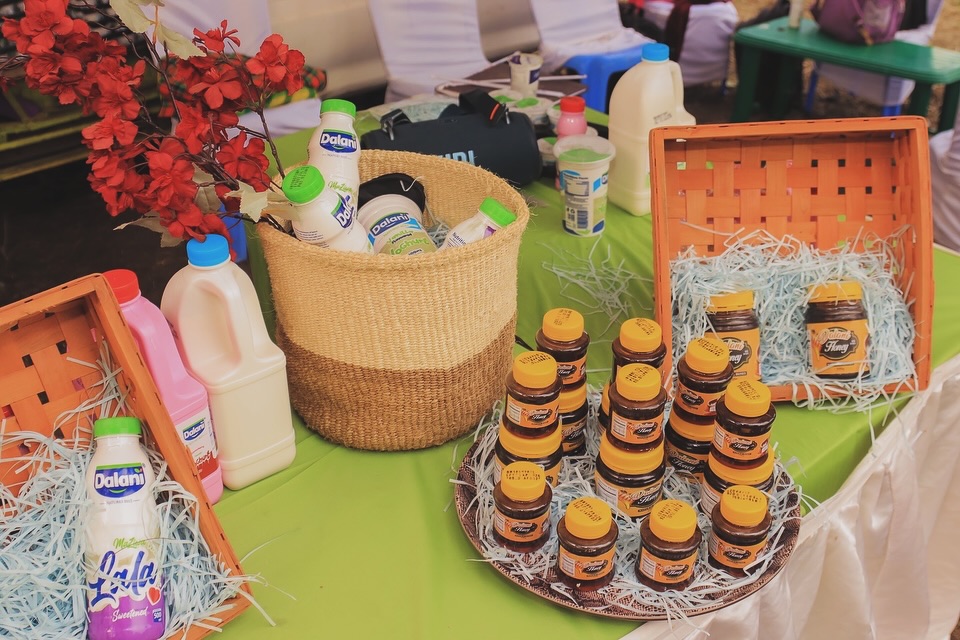
Lala is one of East Africa’s most familiar cultured milk beverages, valued for its refreshing taste, smooth texture, and cultural relevance across generations. While many people know lala as an everyday drink, fewer understand the production science that gives it consistency and quality. At Dalani, lala is treated as both a traditional product and a modern food category that requires robust standards in hygiene, fermentation control, and cold-chain handling. The production journey begins with quality milk and disciplined heat treatment. After pasteurization, selected cultures are added under controlled conditions to begin fermentation. During this stage, beneficial microbes convert lactose to lactic acid, shaping lala’s tangy flavor profile and helping create the beverage’s signature body. Time and temperature control are crucial; even small variations can shift sensory outcomes significantly. For consumers, lala is attractive because it is versatile and easy to pair with daily meals. It can be consumed on its own, used in smoothies, or combined with simple cereals and fruit. Understanding how lala is made and stored helps households get the best taste experience while reinforcing safe handling habits from purchase to consumption.
KEY TAKEAWAYS
- Lala’s identity comes from fermentation, not flavor additives. Controlled microbial activity is what creates its characteristic taste, texture, and sensory depth in a quality product.
- Production consistency depends heavily on temperature management before, during, and after fermentation. Stable process control protects both flavor quality and shelf reliability.
- Good culture selection and handling are central to repeatable outcomes. Culture vitality influences acidity development, mouthfeel, and product behavior over storage timelines.
- Lala can fit practical daily eating patterns as a refreshing option for breakfast, snacks, or light meals, especially in warm-weather settings where lighter foods are preferred.
- Consumer experience is strongly shaped by cold-chain integrity. Poor storage at retail or home can quickly degrade a product that left the plant in excellent condition.
- Cultured milk products can contribute useful nutrients such as protein and calcium, and may be easier for some consumers to tolerate compared with non-cultured milk products.
- Clear product education increases satisfaction. When households understand serving, storage, and pairing options, they are more likely to use lala consistently and confidently.
- Tradition and modern quality systems can reinforce each other. Respecting cultural food identity while applying strict process controls creates stronger product credibility.
- Clear consumer communication improves product trust. When brands explain storage, usage, and quality standards in plain language, households make better decisions and the perceived value of the product category increases over time.
- Consistency across batches and channels is a competitive advantage. Reliable quality at production, retail, and home-use levels reduces friction, improves repeat purchase behavior, and strengthens long-term reputation in crowded markets.
- Training and documentation are foundational to scale. Teams deliver stronger results when procedures are standardized, continuously reviewed, and reinforced through practical coaching instead of one-time instruction sessions.
- Feedback loops should be treated as strategic inputs. Product complaints, shelf observations, and customer questions can reveal hidden process gaps and create opportunities for meaningful quality improvements.
- Balanced nutrition messaging works best when practical. Consumers respond better to actionable guidance on portions, pairings, and frequency than to broad claims that do not translate into everyday decisions.
- Operational resilience is built through preparation, not reaction. Scenario planning for supply variability, demand shifts, and handling disruptions helps preserve quality commitments under pressure.
PRACTICAL TIPS
- Serve lala chilled and store it at consistent refrigeration temperatures. Stable cold storage helps preserve texture, flavor, and intended freshness throughout use.
- Shake gently before serving if natural separation appears, unless label guidance advises otherwise. Mild mixing can restore uniformity without compromising product quality.
- Pair lala with fruit, whole grains, or light savory foods to create balanced meal options. This improves satiety and broadens usage beyond standalone drinking.
- Use clean cups and utensils during serving to reduce contamination risk after opening. Simple hygiene habits can meaningfully extend quality at household level.
- Avoid leaving opened lala at room temperature for extended periods. Prompt refrigeration after pouring helps protect taste and reduces avoidable spoilage risk.
- For smoothies, combine lala with mango, banana, or pineapple and a modest spice accent like ginger. Keep ingredient count practical for consistent repeatability.
- Check date labels and package integrity before purchase, especially in warm conditions. Better buying habits improve home experience and reduce waste from compromised products.
- If a product smells sharply off or has unusual texture changes, discard it and report the batch where possible. Consumer feedback helps improve quality monitoring systems.
- Create short weekly review rituals for quality, service, and inventory signals. Frequent small corrections are often more effective than large delayed interventions and help teams build a culture of continuous improvement.
- Use simple checklists at key control points to reduce variability. Well-designed checklists support consistency, improve handovers between teams, and make compliance easier in fast-moving operational environments.
- Document recurring consumer questions and convert them into educational content. This improves customer experience while reducing support load and preventing repeated misunderstandings about product usage or storage.
- Align packaging, labeling, and distribution instructions so guidance remains consistent from production to point of sale. Clear alignment reduces avoidable quality issues caused by handling errors.
- Where possible, combine data review with practical floor observations. Numbers show trends, but direct observation often reveals the root causes that dashboards alone can miss.
- Set improvement priorities quarterly and tie them to measurable outcomes. Structured prioritization prevents initiative overload and keeps teams focused on actions that produce visible results.
CONCLUSION
Lala remains relevant because it delivers both cultural familiarity and practical everyday value. With the right production discipline and household handling, it offers a refreshing, versatile option that fits modern routines without losing its traditional identity. At Dalani, the commitment is to produce lala with consistent quality, reliable safety standards, and clear consumer guidance. When tradition is supported by process excellence, everyone benefits: producers, retailers, and families alike.