
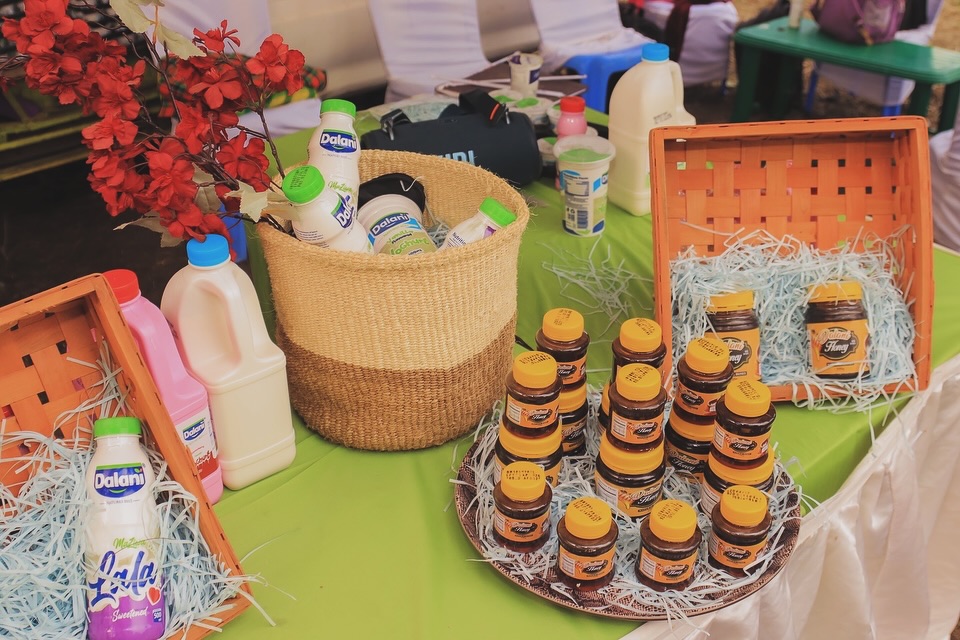
INTRO
Fresh milk is a scientifically complex food that combines nutrition, functionality, and sensory quality in one everyday product. Beyond taste, milk contains proteins, fats, carbohydrates, vitamins, and minerals in a natural matrix that makes it useful for many diets. At Dalani, delivering dependable fresh milk means understanding this composition and protecting it through careful handling, processing, and distribution. Milk quality is influenced from the first point of collection. Clean milking practices, rapid cooling, hygienic transport, and disciplined intake checks all shape the final product profile. Once in processing, pasteurization and controlled packaging provide safety and consistency, but these controls are only effective when upstream handling and downstream cold chain are equally strong. Consumers often evaluate milk by flavor and freshness, yet shelf experience is also driven by invisible factors such as microbial load management, heat-treatment precision, and storage stability. That is why milk science matters in practical terms: understanding the system behind the product helps explain how quality is built, how it can be protected, and how households can get the most value from every purchase.
KEY TAKEAWAYS
- Milk is nutrient-dense and multifunctional, with proteins such as casein and whey contributing to both nutritional value and product behavior in cooking and beverages.
- Source handling quality directly affects final outcomes. Good farm and transport practices reduce microbial risk and support more stable processing performance in the plant.
- Pasteurization is a critical safety step that lowers harmful microbial risk while preserving much of milk’s nutritional and sensory value when performed correctly.
- Cold-chain consistency is essential from processing to home use. Temperature abuse at any stage can shorten shelf life and reduce consumer trust in product quality.
- Packaging integrity supports protection against contamination and flavor drift. Reliable seals and handling standards are as important as processing parameters.
- Consumer habits influence final quality experience. Repeated warming and cooling or poor utensil hygiene can degrade milk that was originally high quality.
- Fresh milk can be integrated into balanced diets through practical use in breakfast, cooking, and snacks, especially when paired with whole ingredients.
- Science-based quality communication helps consumers make better storage and usage decisions, reducing waste and improving satisfaction with dairy products.
- Clear consumer communication improves product trust. When brands explain storage, usage, and quality standards in plain language, households make better decisions and the perceived value of the product category increases over time.
- Consistency across batches and channels is a competitive advantage. Reliable quality at production, retail, and home-use levels reduces friction, improves repeat purchase behavior, and strengthens long-term reputation in crowded markets.
- Training and documentation are foundational to scale. Teams deliver stronger results when procedures are standardized, continuously reviewed, and reinforced through practical coaching instead of one-time instruction sessions.
- Feedback loops should be treated as strategic inputs. Product complaints, shelf observations, and customer questions can reveal hidden process gaps and create opportunities for meaningful quality improvements.
- Balanced nutrition messaging works best when practical. Consumers respond better to actionable guidance on portions, pairings, and frequency than to broad claims that do not translate into everyday decisions.
- Operational resilience is built through preparation, not reaction. Scenario planning for supply variability, demand shifts, and handling disruptions helps preserve quality commitments under pressure.
PRACTICAL TIPS
- Refrigerate milk promptly after purchase and keep storage temperatures stable. Consistent cooling helps preserve freshness and supports safer household use.
- Use clean, dry utensils when serving to reduce contamination after opening. Small handling improvements can significantly protect product quality over time.
- Avoid leaving milk out during meal preparation for long periods. Return it to refrigeration quickly to limit temperature-related quality decline.
- Plan usage by date and meal schedule to minimize waste. Practical rotation habits help households use fresh milk efficiently and economically.
- Use milk in simple nutrient-balanced meals such as oats, smoothies, and vegetable-based sauces. This improves utility while fitting daily routines.
- If milk develops unexpected odor, texture change, or sourness before expected use-by period, avoid consumption and report details where possible for quality follow-up.
- For businesses, maintain clear SOPs on intake checks, pasteurization monitoring, and packaging verification. Process discipline is the foundation of reliable fresh milk brands.
- Train retail and distribution partners on storage expectations and handling risks. Shared cold-chain accountability protects the product all the way to consumers.
- Create short weekly review rituals for quality, service, and inventory signals. Frequent small corrections are often more effective than large delayed interventions and help teams build a culture of continuous improvement.
- Use simple checklists at key control points to reduce variability. Well-designed checklists support consistency, improve handovers between teams, and make compliance easier in fast-moving operational environments.
- Document recurring consumer questions and convert them into educational content. This improves customer experience while reducing support load and preventing repeated misunderstandings about product usage or storage.
- Align packaging, labeling, and distribution instructions so guidance remains consistent from production to point of sale. Clear alignment reduces avoidable quality issues caused by handling errors.
- Where possible, combine data review with practical floor observations. Numbers show trends, but direct observation often reveals the root causes that dashboards alone can miss.
- Set improvement priorities quarterly and tie them to measurable outcomes. Structured prioritization prevents initiative overload and keeps teams focused on actions that produce visible results.
CONCLUSION
Milk science translates into everyday outcomes people can taste, trust, and use confidently. When sourcing discipline, processing control, packaging integrity, and cold-chain reliability work together, fresh milk becomes a consistently dependable food for households. Dalani’s focus is to protect quality across that entire system, not just one stage. The more consumers and producers understand this chain, the easier it becomes to improve nutrition, reduce waste, and sustain trust in fresh dairy products.