
INTRO
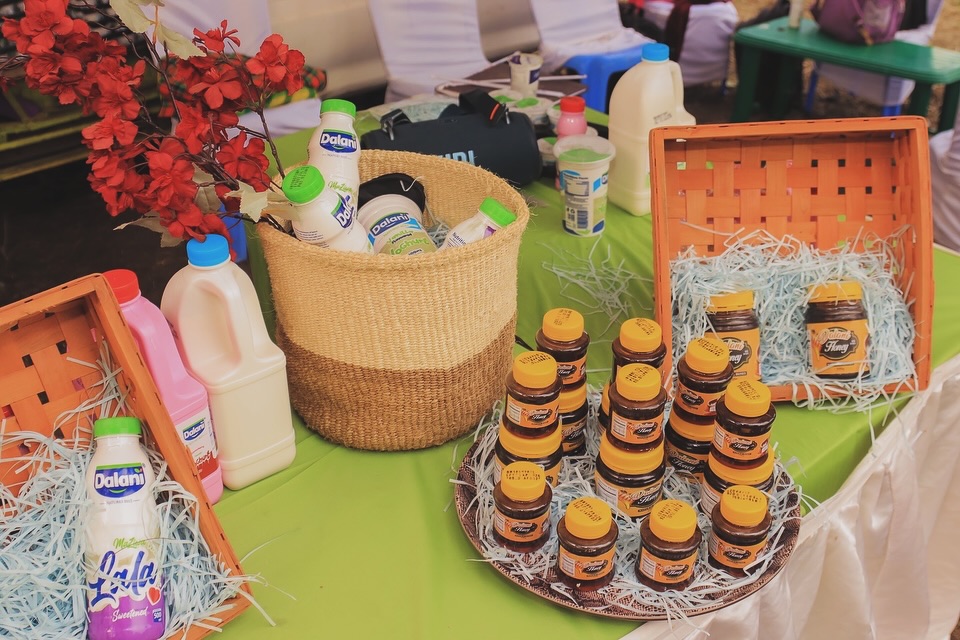
Spring cooking is ideal for meals that feel lighter, fresher, and more versatile without sacrificing nutrition or satisfaction. Dalani dairy and honey products can play a practical role in this style of eating because they work across breakfast, snacks, dressings, marinades, and simple meal-prep routines. The key is to combine them with whole ingredients in ways that improve flavor, texture, and nutritional balance. Many households want recipes that are realistic for busy schedules. That means fewer complicated steps, practical ingredient lists, and flexible portions that work for families or individuals. Good spring recipes should also be repeatable: easy enough to make weekly, adaptable to available produce, and consistent enough that outcomes are reliable even when time is limited. This guide is structured around exactly that goal. It offers clear use cases for yoghurt, milk, lala, and honey in meals people already prepare, while adding practical advice on prep, storage, and balance. The result is not just “more recipes,” but a repeatable way to build enjoyable meals that fit everyday life.
KEY TAKEAWAYS
- Dalani yoghurt is a flexible base ingredient that works in both sweet and savory formats, making it useful for breakfasts, dressings, dips, and marinades with minimal extra cost.
- Fresh milk supports simple meal prep such as overnight oats, porridge, and blended drinks, helping households create filling options that can be prepared in advance.
- Lala is particularly useful for refreshing smoothies and light meals, especially in warmer months when consumers prefer cooling, digestible options over heavier preparations.
- Honey is most effective when used as a flavor accent rather than the main ingredient. Small amounts can add depth while supporting more balanced sweetness in daily meals.
- Recipe consistency improves when measurements are simple and repeatable. Standard spoon and cup guides help households avoid trial-and-error fatigue and wasted ingredients.
- Combining dairy with fruits, nuts, and whole grains improves satiety and overall nutrient profile, which can help reduce unnecessary snacking later in the day.
- Batch prep can reduce weekday stress. Preparing base components once or twice a week makes healthy choices easier during busy mornings or late-evening meal windows.
- Seasonal flexibility keeps recipes relevant. Core methods stay the same even when fruit, herbs, or vegetables change with availability and household budget.
- Clear consumer communication improves product trust. When brands explain storage, usage, and quality standards in plain language, households make better decisions and the perceived value of the product category increases over time.
- Consistency across batches and channels is a competitive advantage. Reliable quality at production, retail, and home-use levels reduces friction, improves repeat purchase behavior, and strengthens long-term reputation in crowded markets.
- Training and documentation are foundational to scale. Teams deliver stronger results when procedures are standardized, continuously reviewed, and reinforced through practical coaching instead of one-time instruction sessions.
- Feedback loops should be treated as strategic inputs. Product complaints, shelf observations, and customer questions can reveal hidden process gaps and create opportunities for meaningful quality improvements.
- Balanced nutrition messaging works best when practical. Consumers respond better to actionable guidance on portions, pairings, and frequency than to broad claims that do not translate into everyday decisions.
- Operational resilience is built through preparation, not reaction. Scenario planning for supply variability, demand shifts, and handling disruptions helps preserve quality commitments under pressure.
PRACTICAL TIPS
- For breakfast bowls, use plain or vanilla yoghurt, then layer fruit, oats, and seeds in measured portions. This creates a repeatable structure that can be adapted with seasonal produce.
- Make overnight oats in jars using milk, oats, chia, and cinnamon. Prepare multiple portions at once to reduce morning effort and maintain consistency in serving size.
- Blend lala smoothies with fruit and a small ginger or citrus element for freshness. Keep recipes simple so they are easy to repeat without extensive ingredient shopping.
- Whisk yoghurt, lemon, honey, and black pepper into a quick dressing for salads or roasted vegetables. This gives creamy texture without relying on heavy, processed sauces.
- Use yoghurt marinades for chicken, fish, or vegetables to improve tenderness and flavor carry-through during grilling or baking. Marinate in advance for better weeknight execution.
- Keep sweetness balanced by adding honey after tasting, not before. Gradual adjustment helps prevent over-sweetening and supports better long-term flavor habits at home.
- Pre-portion toppings like nuts, seeds, and dried fruit in small containers. This improves convenience and helps maintain practical control over calorie-dense add-ons.
- Build a weekly “spring prep” routine: wash produce, portion dairy, and label ready-to-use combinations. Small planning habits make nutritious choices easier on busy days.
- Create short weekly review rituals for quality, service, and inventory signals. Frequent small corrections are often more effective than large delayed interventions and help teams build a culture of continuous improvement.
- Use simple checklists at key control points to reduce variability. Well-designed checklists support consistency, improve handovers between teams, and make compliance easier in fast-moving operational environments.
- Document recurring consumer questions and convert them into educational content. This improves customer experience while reducing support load and preventing repeated misunderstandings about product usage or storage.
- Align packaging, labeling, and distribution instructions so guidance remains consistent from production to point of sale. Clear alignment reduces avoidable quality issues caused by handling errors.
- Where possible, combine data review with practical floor observations. Numbers show trends, but direct observation often reveals the root causes that dashboards alone can miss.
- Set improvement priorities quarterly and tie them to measurable outcomes. Structured prioritization prevents initiative overload and keeps teams focused on actions that produce visible results.
CONCLUSION
Spring recipes work best when they are simple enough to repeat and balanced enough to support everyday wellness. Dalani products can be integrated into this approach across breakfast, snacks, and light meals without adding complexity. With consistent prep habits, thoughtful sweetness, and flexible ingredient pairing, households can create meals that are practical, enjoyable, and seasonally fresh. The most sustainable recipe strategy is the one people can maintain week after week.